Deep democracy in teams: Stop talking, start deciding
Everyone knows this moment...
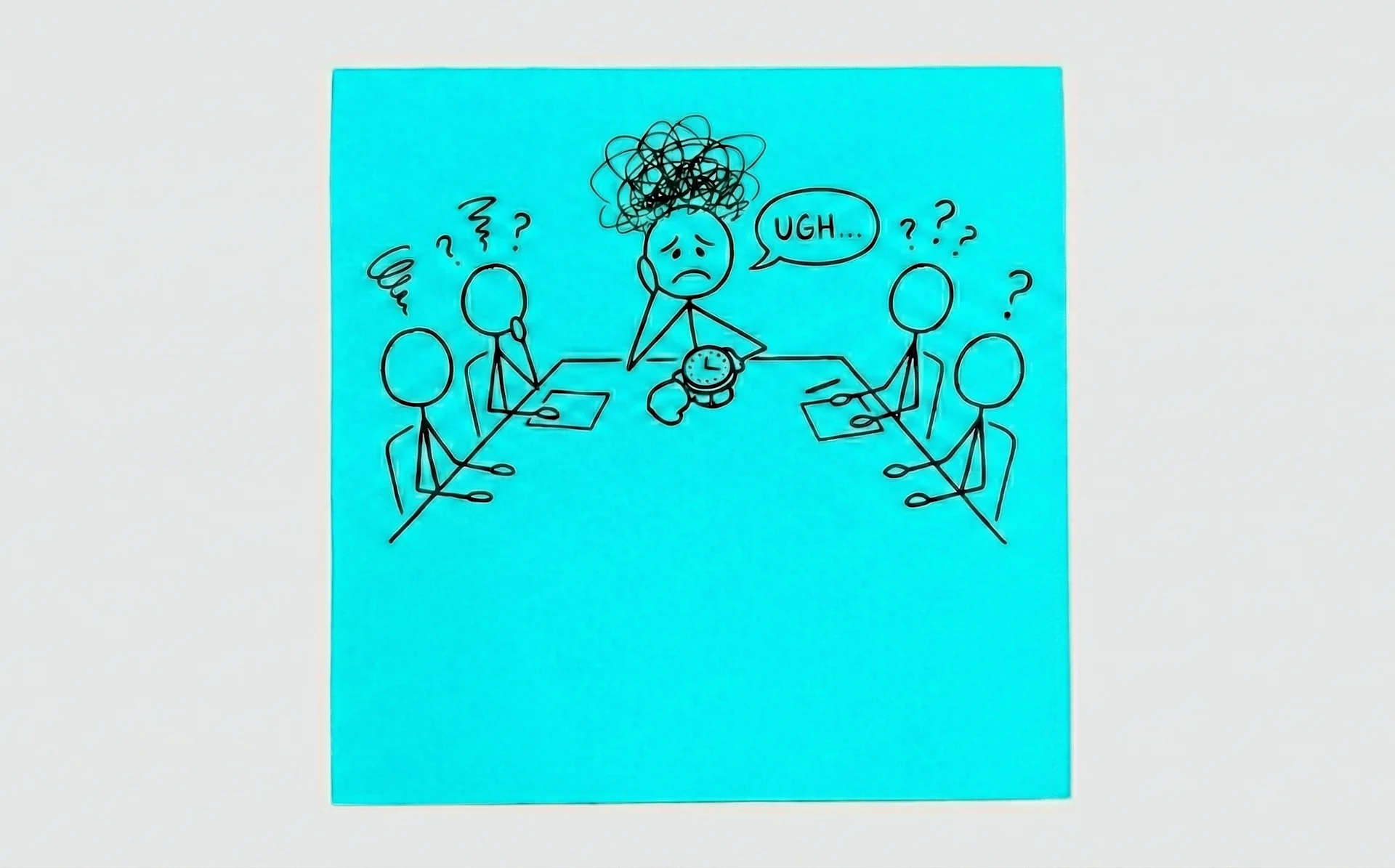
You're in your third meeting. Fifty minutes on the clock because another one starts right after. The topic is sensitive. A decision must be made.
Then it starts.
People talk. A lot. The louder voices dominate while quieter ones retreat into silence, not because they lack opinions but because the space never opens, never breathes, never invites them in.
Fifty minutes pass.
No decision.
The clock ticks. People keep talking. The leader nods along, hoping consensus will magically emerge from the noise, while colleagues have already checked out, eyes glazing over their laptops.
You think: How much actual work could we have done?
The sprint won't solve itself.
Now imagine the exact same meeting. Same people, same topic, same 50 minutes. But this time you leave with a decision, a real one, with clear ownership and concrete next steps and everyone feeling heard.
That's deep democracy.
What it actually is
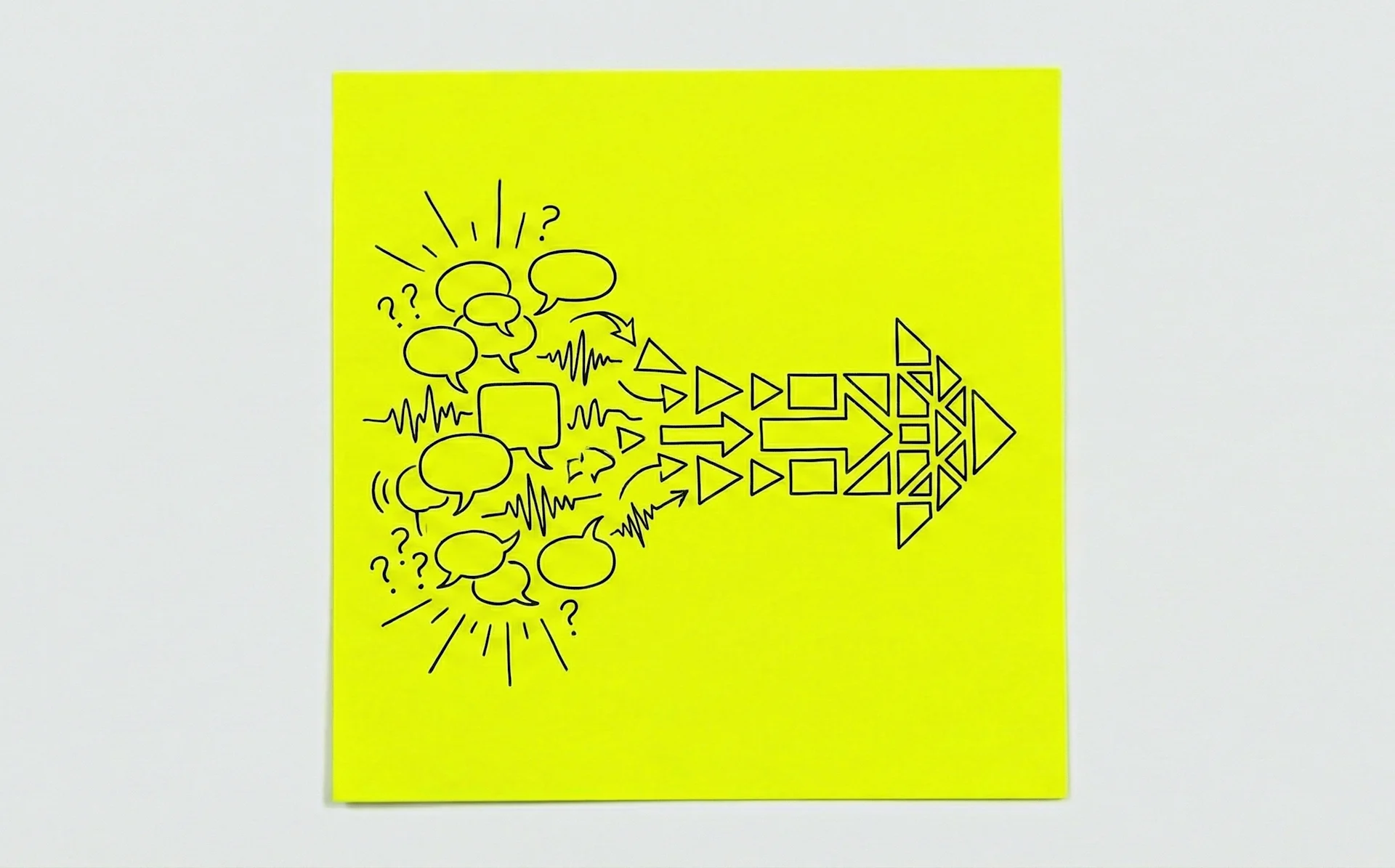
It's a decision-making method where all voices get heard. Especially the minority view. Not to extend the conversation or achieve perfect consensus, but to listen better, surface blind spots, and then make a clear choice the team can commit to.
Structure that turns noise into signal.
How it works in seven steps
Start by setting the decision question. One minute. Say it out loud: What option are we choosing for X? This single sentence eliminates ambiguity.
Next, gather one-sentence input from every person. Go around the room, one by one, no interruptions or debate or spiraling tangents. Capture each response on a board. Watch how quickly you collect perspectives without chaos.
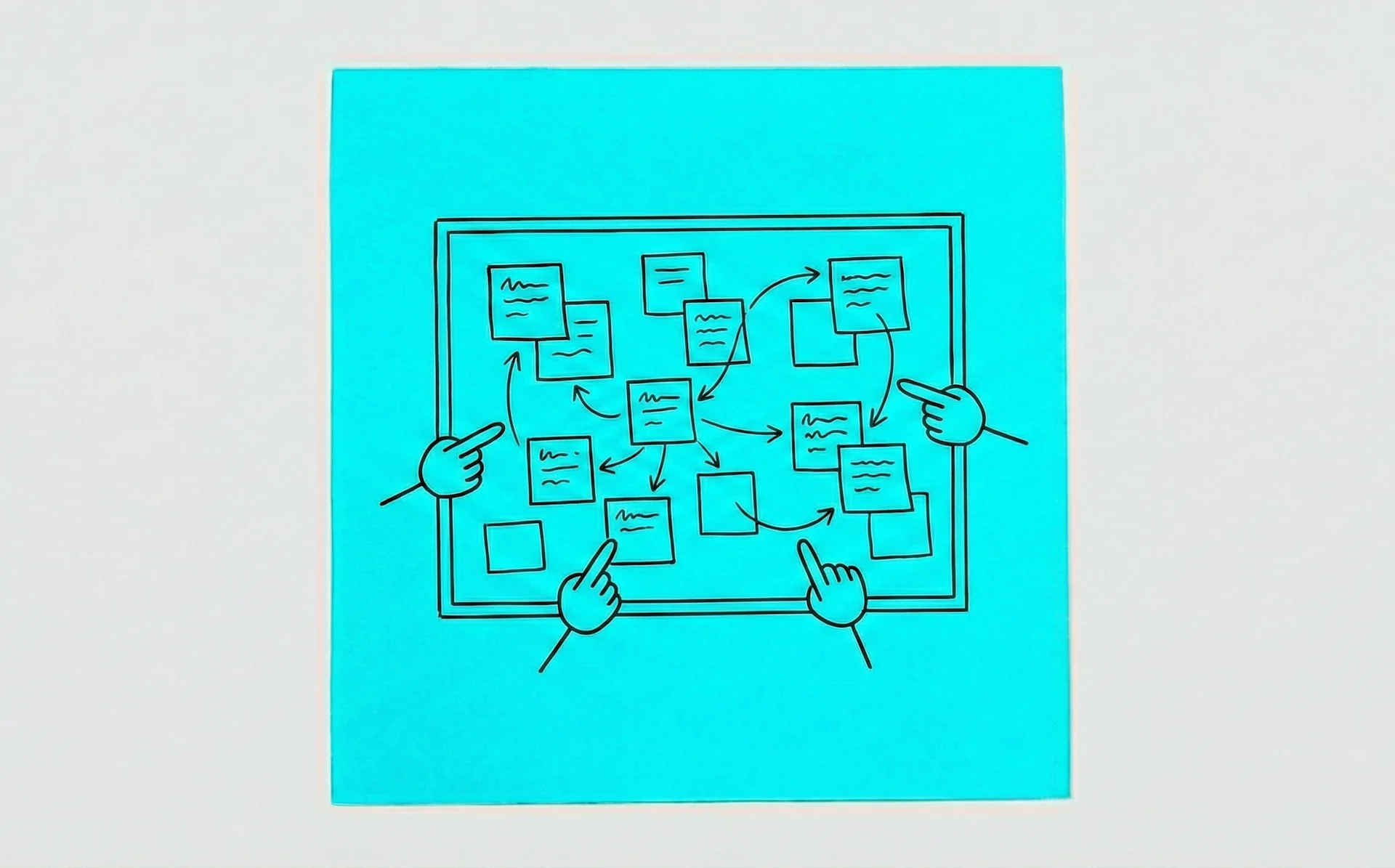
Cluster and summarize. Two to three minutes grouping similar points into three to five themes. Read them back. Now everyone sees the landscape.
Here's the critical part. Amplify the minority voice.
Ask directly: What are we missing if we choose option A? This isn't about reopening debate or giving airtime to endless objections, but about uncovering the hidden risks and insights that majority thinking might steamroll, capturing what's genuinely useful and discarding the noise, turning dissent into a radar system rather than a roadblock.
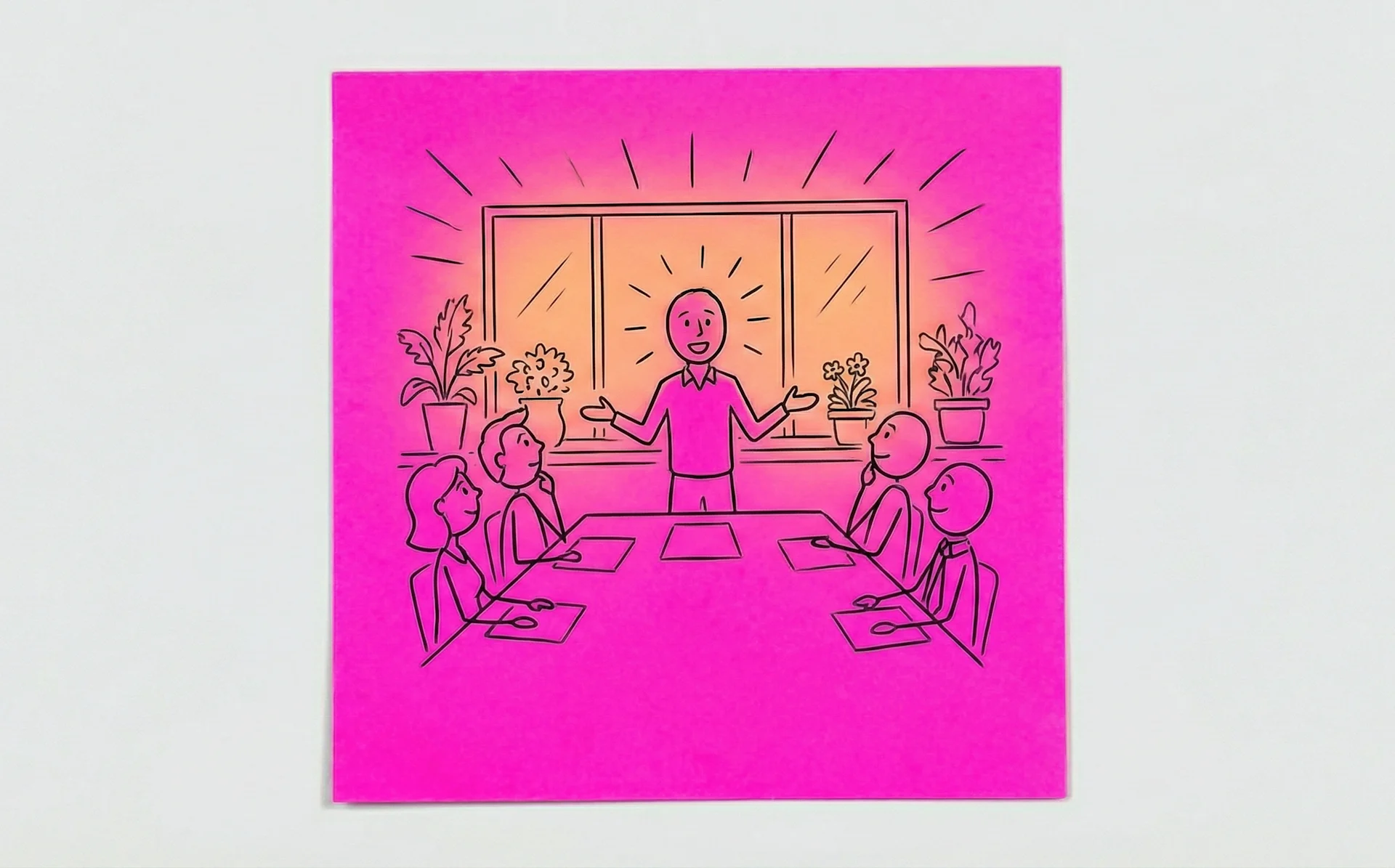
Make the choice. One minute, stated clearly, no hedging: We'll go with option A for the next two weeks. No waffling. A decision.
Make it actionable. Three to five minutes nailing down who owns this, what's the first step they'll take today, and when the team checks back to see what's working.
Finally, create space for later objections. One minute inviting people to flag warning signals: If X happens, we want to know. The minority view becomes ongoing intelligence.
Done.
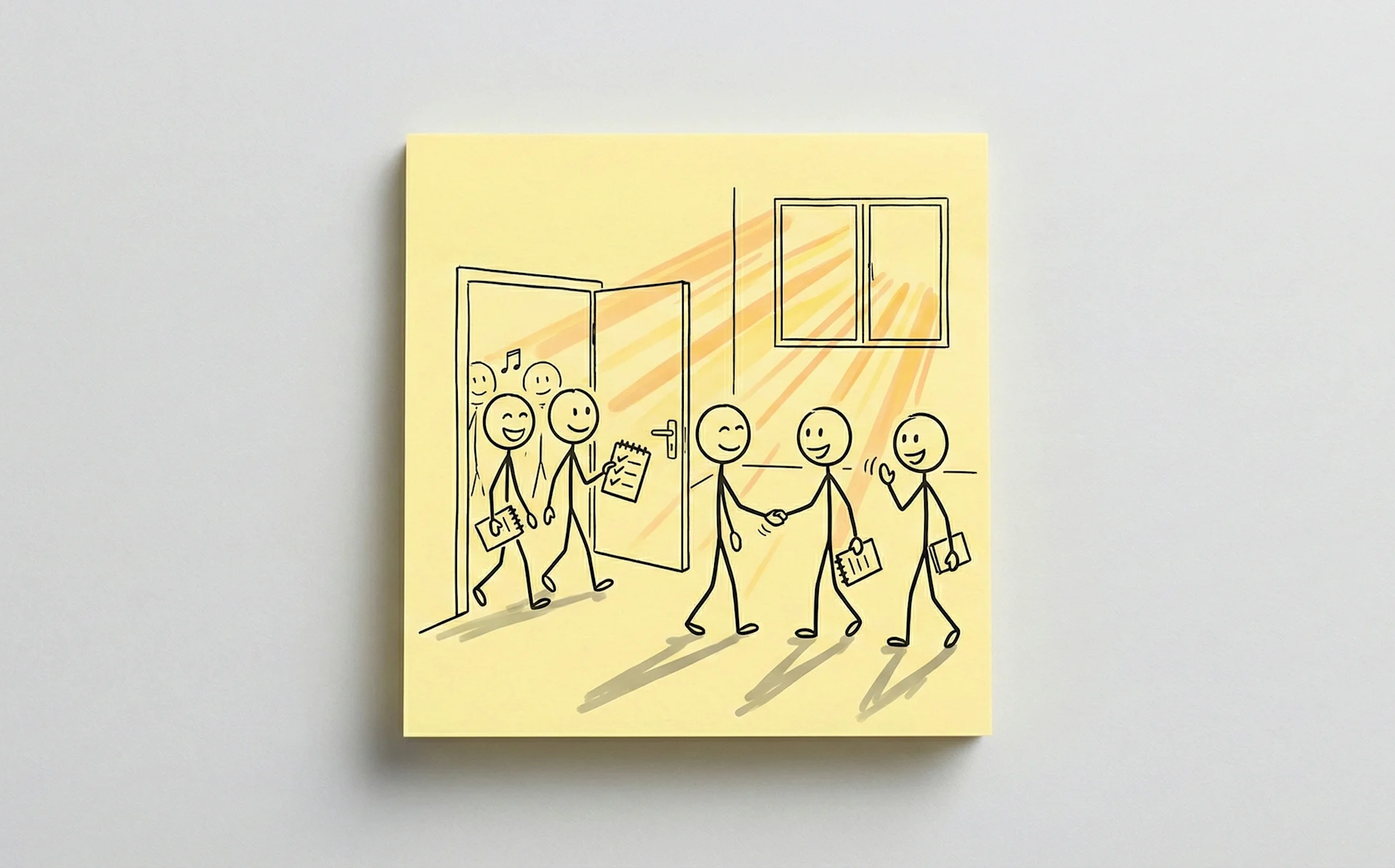
Why this works
Focus, by sticking to one question.
Minority wisdom, reducing blind spots without drowning in debate.
Commitment, because people support what they helped create.
Action, because ownership and check-ins transform agreement into movement.
Try it tomorrow
Start with: Today we're deciding X.
One sentence per person, visible to all.
Ask: What are we missing?
Decide. Assign an owner. Schedule the check-in.
Simple. That's the difference between drowning in talk and making decisions.
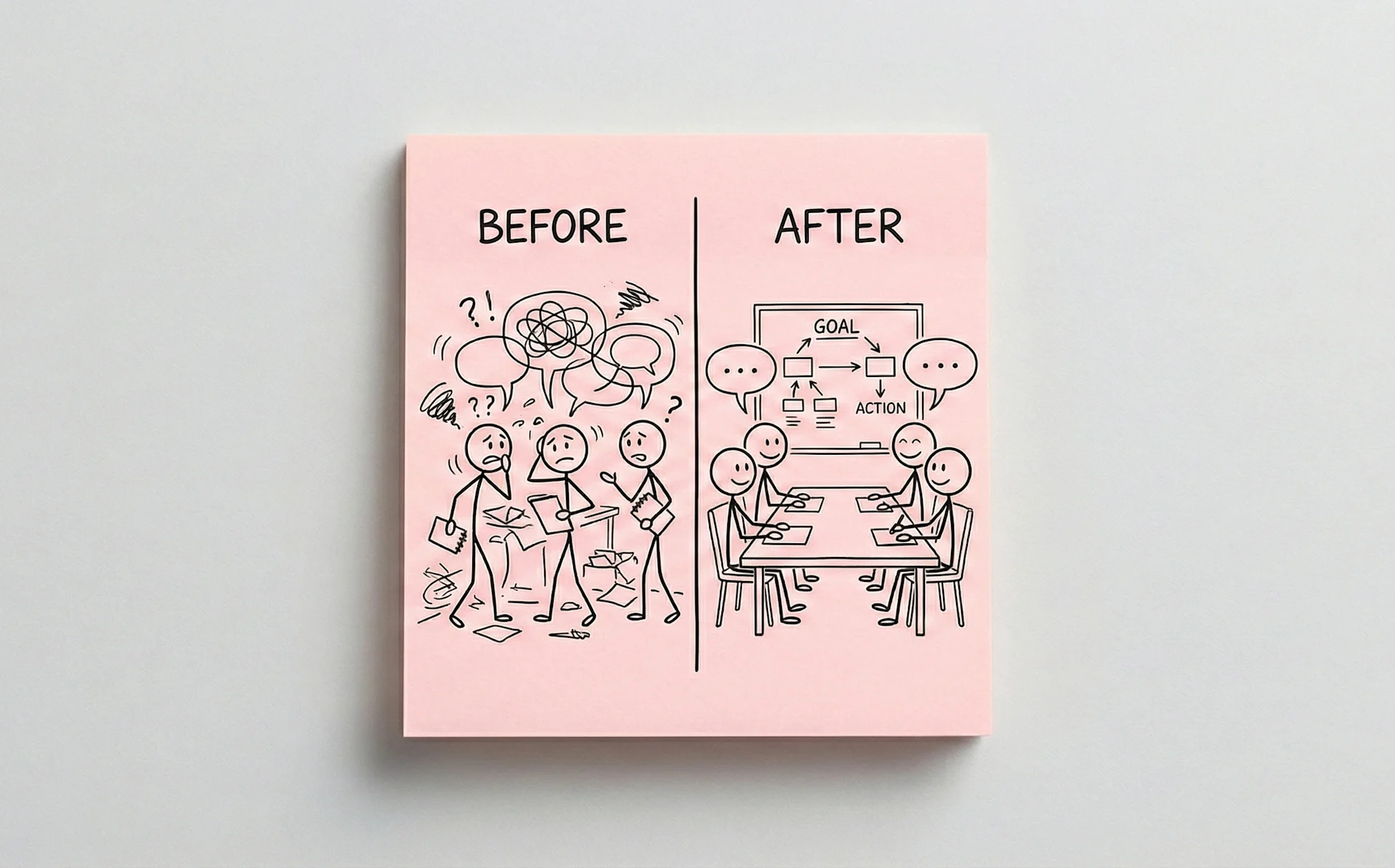
Final thought
Deep democracy isn't about more meetings. It's about forward movement. Teams that use it gain time, energy, and trust because they stop pretending that talking longer produces better outcomes and start structuring conversations to actually conclude